
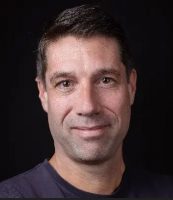
Dan Marchesin. Born in Bucharest, Romania (1947) and raised in Italy before moving to Rio de Janeiro in 1956, Dan Marchesin is a distinguished researcher at IMPA and a CNPq Level SR Research Fellow (http://lattes.cnpq.br/7035545485084138). He holds a Ph.D. from the Courant Institute of Mathematical Sciences (1978), where he studied under James Glimm. Originally trained in mathematical physics, he transitioned into fluid dynamics during research stays at Rockefeller University and NASA/Goddard. His primary research focuses on the qualitative theory of conservation laws and their application to porous media flow, crucial for enhanced oil recovery and climate change mitigation. Over a prolific career, he has published more than 120 international articles, supervised 22 doctoral theses, and founded IMPA's Fluid Dynamics Laboratory (FLUID). Marchesin is a member of the Brazilian Academy of Sciences (ABC) - https://www.abc.org.br/membro/dan-marchesin/ -and The World Academy of Sciences (TWAS), and has been awarded the Grand Cross of the National Order of Scientific Merit. A SIAM Fellow and founding member of InterPore Brazil, his diverse intellectual curiosity also extends to contributions in magnetocardiography and mathematical epidemiology.
Merit Justification: Special Honor for Prof. Dan Marchesin
The Steering Committee of the InterPore Brazil Chapter, in conjunction with its Scientific Committee, presents the formal grounds for the distinguished and well-deserved honor to be bestowed upon Professor Dan Marchesin during the 9th National Conference at CBPF, Rio de Janeiro, in August 2026. The unanimous decision of this Committee reflects the recognition of a singular career that bridges the rigor of pure mathematics with the practical problem-solving of reservoir engineering. Professor Marchesin’s work is a landmark in the qualitative theory of conservation laws; his investigations into the structure of fundamental solutions in three-phase flows—overcoming historical impasses regarding nonlinear resonance—have enabled unprecedented modeling for porous media. This technical body of work constitutes the foundation for advancements in Enhanced Oil Recovery (EOR) and contemporary carbon sequestration strategies, aligning Brazilian science with the forefront of InterPore International. As the founder of the Fluid Dynamics Laboratory (FLUID) at IMPA, Professor Marchesin established a center of excellence that transcends academic boundaries. His leadership was fundamental in forming a national network of researchers, consolidated through the supervision of 22 doctoral theses and numerous postdoctoral fellows who now hold prominent positions in both scientific and industrial sectors. Furthermore, the solidity of InterPore Brazil is, in large part, a fruit of his vision. By leading the organization of the 1st InterPore Conference in Brazil in 2014, he not only connected Brazilian researchers to the global network but also laid the groundwork for the creation of this Chapter. The upcoming 19th InterPore Annual Meeting in 2027, to be held in Rio de Janeiro, serves as the crowning achievement of an internationalization process initiated under his guidance. The Committee further highlights capital elements underlying this honor, such as his strategic management of the ANP PRH-32 program between 1999 and 2019. For two decades, his leadership at IMPA served as an engine for innovation at the interface of applied mathematics and the oil and gas sector, ensuring Brazil’s technical sovereignty in complex flow phenomena. His prolific output, exceeding 120 articles, is characterized by recurrent publication in high-impact, rigorous journals within the scope of porous media, rendering his works essential references that translate abstract mathematical concepts into physical solutions of international prestige. As a founding member of the InterPore Brazil Chapter, Professor Dan Marchesin personifies our society’s mission. A member of the Brazilian Academy of Sciences, TWAS, recipient of the Grand Cross of the National Order of Scientific Merit, and a recognized SIAM Fellow, Dan Marchesin is more than an internationally renowned researcher; he is a paradigm of intellectual integrity and a deeply human figure to his students and collaborators.
Speakers
Dr. José Soares de Andrade Jr. – UFC
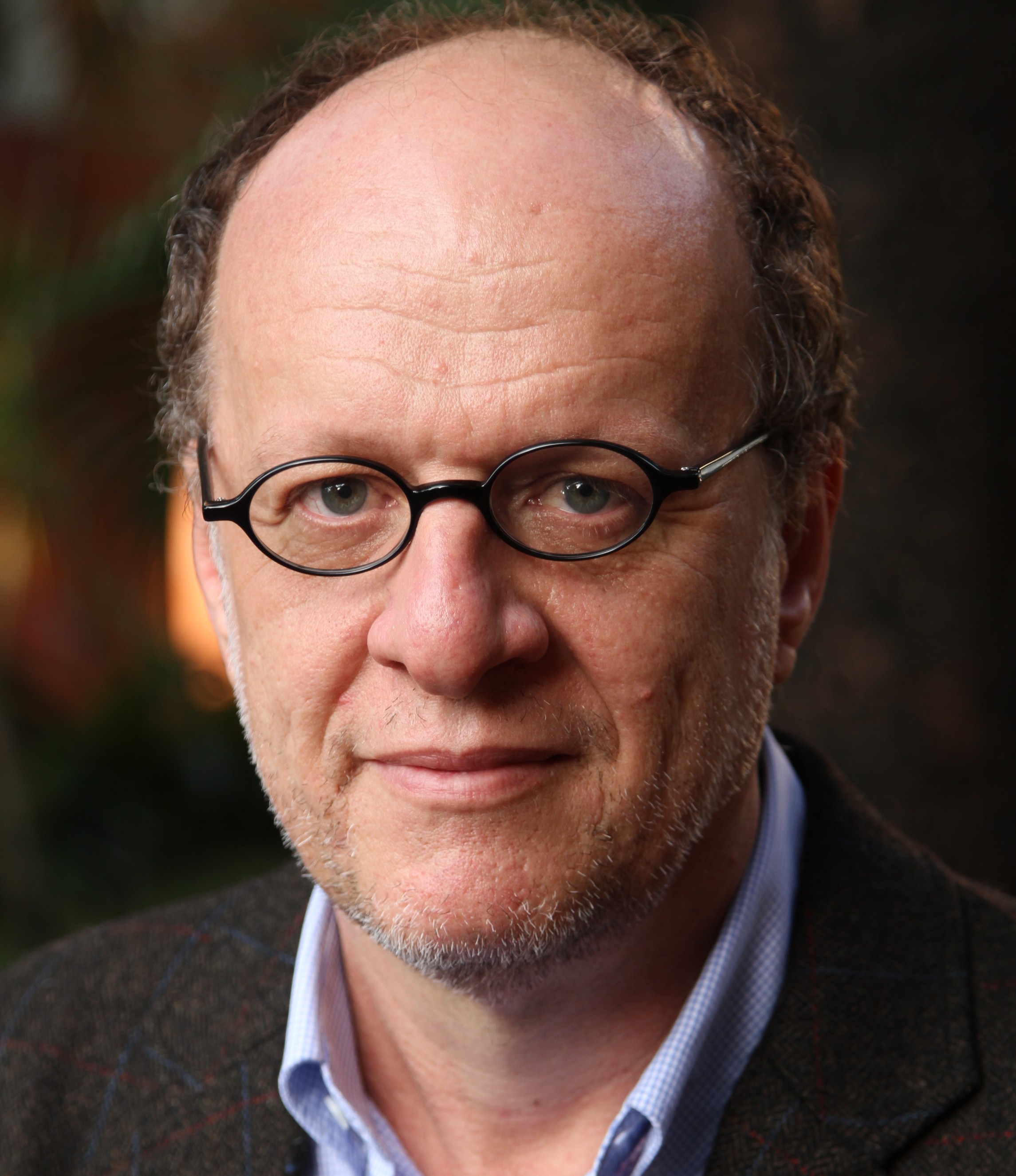
Short Bio: José Soares de Andrade Jr. is a Full Professor of Physics at Universidade Federal do Ceará in Fortaleza, Brazil and a member of the Brazilian Academy of Sciences. He was a Visiting Scholar at Boston University and a Visiting Professor (Gastprofessor) at ETH in Switzerland. His main research interests are in the areas of Statistical Physics, Computational Physics, and Complex Systems, with an emphasis on complex networks, percolation theory, critical phenomena and phase transitions, transport phenomena in irregular and disordered systems, computational fluid dynamics, pulmonary physiology, and city science.
Morphological and Statistical-Physics Signatures of Stationary Two-Phase Flow Regimes in Disordered Porous Media
Abstract: Immiscible displacement in disordered porous media exhibits a wide range of interfacial morphologies whose emergence reflects the complex interplay among viscous, capillary, and inertial forces. Yet, how pore-space morphology and collective interfacial organization shape stationary two-phase flow remains a scientific challenge. Here, we perform direct numerical simulations of the Navier–Stokes equations in a disordered porous matrix with periodic boundary conditions, enabling statistically stationary two-phase flow over several decades in the Capillary (Ca) and Forchheimer (Fo) numbers. We identify three robust stationary morphologies, namely, bubbles, stripes, and mixed flows, which organize into a compact (Fo,Ca) regime diagram with reproducible crossovers. Despite these pronounced morphological reorganizations, macroscopic transport varies smoothly: stripe and mixed-flow regimes follow a Forchheimer-like velocity–forcing relation, whereas bubble regimes deviate systematically due to recirculation and reduced connectivity. To characterize the collective organization underlying these morphologies, we coarse-grain the flow configurations into binary fields and infer pairwise maximum-entropy (Ising-like) models. Across the full control space, the inferred Hamiltonians reproduce the imposed first- and second-order statistics and, moreover, near morphological crossovers, accurately predict higher-order correlations that were not used during inference. Thermodynamic probing of the inferred models near these crossovers reveals systematic shifts in the effective distance to criticality, suggesting that morphological transitions are accompanied by substantial reorganization of the underlying interaction structure. Together, the hydrodynamic regime map and the maximum-entropy representation establish a unified, dimensionless framework linking pore-space morphology, interfacial organization, macroscopic transport, and collective structure in stationary two-phase flows in porous media.
Dr. Matthias Appel - SHELL
Short Bio: Matthias is Shell’s Chief Scientist for Geological Sciences & Engineering, having joined Shell in 1997 after earlier experience with Exxon. Throughout his career, Matthias has focused on developing technologies for reservoir characterization and Petrophysics. His career spans roles in research, research management in Houston and Amsterdam, and operational petrophysics. He is internationally recognized as a specialist in core analysis and magnetic resonance technologies, showcasing innovative scientific acumen to identify and influence technology trends in industry and academia relevant to the characterization of porous materials. He actively collaborates with academic and commercial partners in the US, UK, and Brazil, playing a pivotal role in driving technical expertise for enhancing the prediction of transport properties of pore fluids. He holds a Ph.D. in Physics from Leipzig University and serves in leadership roles of several international professional societies.
The Promise of Geological Hydrogen as an Emerging Energy Source
Abstract: Geological hydrogen has recently emerged as a potentially transformative addition to the future energy portfolio. Unlike conventional hydrogen, which is manufactured through industrial processes such as electrolysis or steam methane reforming, geological hydrogen is generated naturally in the subsurface through a range of geochemical and geological processes, including serpentinization, water-rock reactions, radiolysis, and mantle degassing. This presentation provides an overview of the scientific principles governing hydrogen generation, migration, accumulation, and preservation in the Earth's crust. It reviews the geological settings that may host hydrogen accumulations, discusses current technical challenges, and examines the uncertainties associated with resource assessment and commercial production. The presentation also evaluates the potential role of geological hydrogen as a low-carbon energy source and compares its environmental footprint with other hydrogen production pathways.
Dr. Nuno Araújo - University of Lisbon
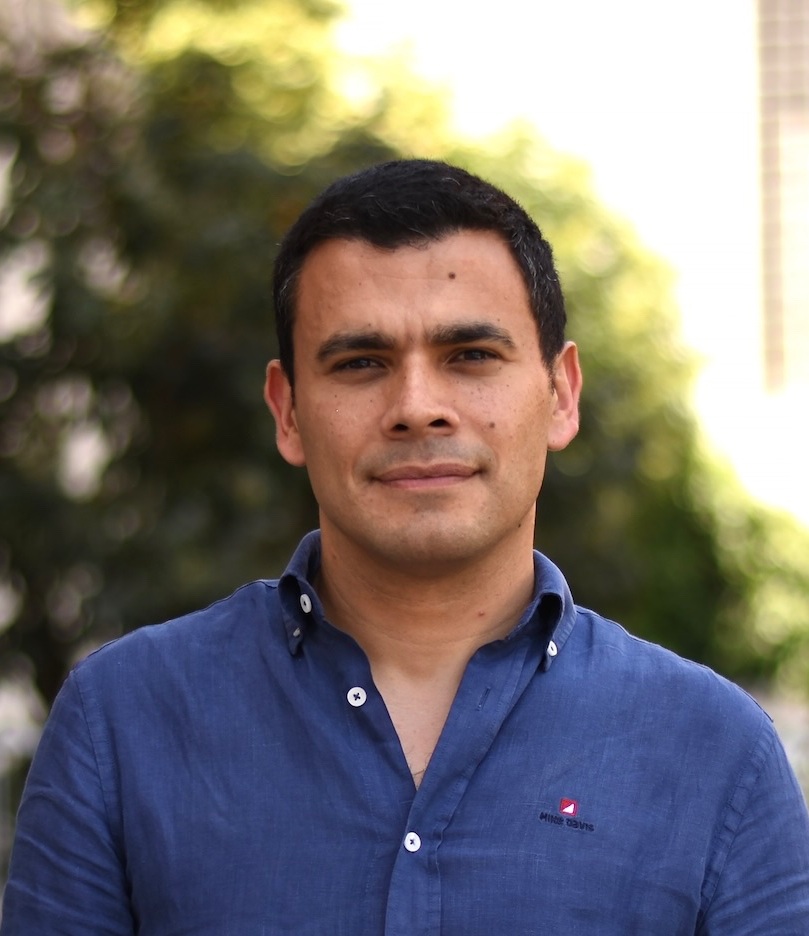
Short Bio: Nuno Araújo (Braga, 1981) is a Full Professor in the Department of Physics at the Faculty of Sciences of the University of Lisbon. He obtained his PhD in Physics in 2009 from the University of Minho (Portugal), including a research stay at Los Alamos National Laboratory (USA). He then moved to ETH Zurich (Switzerland), where he worked as a postdoctoral researcher in the group of Prof. Hans Herrmann for three years, followed by two additional years as a senior researcher. In 2014, he returned to Portugal as a Principal Investigator funded by the Portuguese Foundation for Science and Technology (FCT). He obtained his habilitation in Physics in 2017 at the University of Lisbon, where he was appointed Assistant Professor in 2016, Associate Professor in 2021, and Full Professor in 2024. His research is carried out at the Center for Theoretical and Computational Physics and focuses on non-equilibrium physics, with particular emphasis on active matter, granular materials, and micro-scale origami/kirigami systems. He has co-authored more than 100 publications in leading journals such as Nature Communications, Science Advances, Proceedings of the National Academy of Sciences (USA), Physical Review Letters, and Physical Review E, and is a frequent invited speaker at international conferences. He is also actively involved in knowledge transfer and innovation. He serves as an editor of Physical Review E (American Physical Society), is a consultant for the European Space Agency (ESA), and is Vice-President of the Data Science Portuguese Association.
Transport in Porous Media: From Shelf Life to Coffee Extraction
Abstract: Many industrial products rely on porous materials whose performance is governed by the transport of fluids, moisture, and dissolved compounds. Predicting how microscopic transport processes translate into macroscopic product properties remains a major challenge, particularly when experiments are costly and time-consuming. In this talk, I will present two examples from the food sector where experiments and physics-based simulations are combined to address this challenge. The first concerns the stability of amorphous food powders, where moisture transport and particle sintering determine the onset of caking and ultimately the product shelf life. The second focuses on coffee extraction, where fluid flow and mass transfer through a porous medium control the extraction and retention of flavor compounds. Together, these examples illustrate how porous-media physics can connect pore-scale mechanisms to product performance, enabling the prediction and optimization of industrial processes.
Dr. Pedro Tupã Pandava Aum – UFPA
Short Bio: Pedro Tupã Pandava Aum is a professor in the Department of Engineering at the Federal University of Pará (UFPA), Brazil, and a permanent faculty member in the Graduate Programs in Chemical Engineering and Geophysics. He holds a Bachelor's degree in Chemical Engineering and a Ph.D. in Petroleum Science and Engineering, both from the Federal University of Rio Grande do Norte (UFRN). He has over nine years of industry experience in well drilling and completion, drilling fluids, well stimulation, and sand control. He is an Affiliate Member of the Brazilian Academy of Sciences and a CNPq Research Productivity Fellow. His research focuses on reactive flow in porous media and on fluid–rock characterization using petrophysics and microCT X-ray imaging, integrating experimental techniques with numerical modeling.
Influence of Sample Size on the Upscaling of Laboratory Carbonate Acidizing Experiments
Abstract: Carbonate matrix-acidizing performance is commonly evaluated through laboratory coreflooding experiments, in which the pore volume to breakthrough (PVBT) is used as a proxy for stimulation efficiency. However, PVBT is strongly influenced by core geometry, which limits its direct applicability for predicting near-wellbore properties and post-acidizing skin at field scale. This work investigates how sample dimensions affect PVBT and how these geometric dependencies propagate during upscaling. First, acidizing experiments with 15 wt% HCl at 45 °C were conducted on carbonate samples with diameters of 1, 1.5, and 3 in., maintaining a fixed aspect ratio of L/D = 2, over interstitial velocities ranging from 0.1 to 3 cm min⁻¹. The results show a systematic decrease in PVBT with increasing plug diameter and length, approaching an asymptotic regime representative of larger sample volumes. To extend the analysis beyond laboratory constraints, synthetic PVBT curves were generated using a mechanistic dissolution model for samples up to 12 in. in diameter and length. The simulations indicate a progressive rightward shift in the optimal interstitial velocity as sample volume increases. The corresponding optimal PVBT values were then incorporated into a semi-empirical upscaling framework to infer equivalent wormhole radius and post-acidizing skin. The upscaled skin exhibits a robust power-law dependence on sample volume, indicating that small plugs systematically underestimate the stimulation achievable at larger scales.
Dr. Tito José Bonagamba – USP
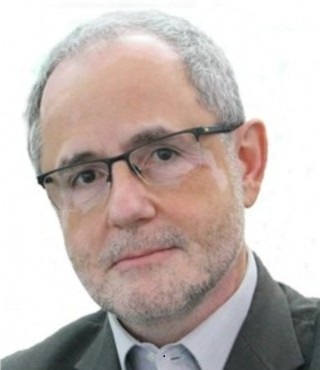
Short Bio: He is a full professor of Physics at the São Carlos Institute of Physics – University of São Paulo (IFSC/USP, Brazil), with experience in nuclear magnetic resonance (NMR), condensed matter physics, quantum computing and instrumentation. He has held postdoctoral positions in the U.S., visiting professorships in Europe, and collaborates with industry on research and innovation. A member of the Latin American and São Paulo State Academies of Sciences, he served as Director of IFSC/USP (2014–2018) and later coordinated the USP Innovation Center at São Carlos (2022–2026).
Reservoirs for Oil and CO₂: NMR and microCT Insights
Abstract: This work presents the development of custom Nuclear Magnetic Resonance (NMR) instrumentation, signal-processing software, and an experimental simulator to enhance the interpretation of wireline and logging-while-drilling (LWD) data in the petroleum industry. To improve NMR relaxation analysis via the Brownstein-Tarr model, 3D X-ray Microtomography (microCT)—supported by high-resolution imaging from the Sirius synchrotron facility—is integrated to accurately determine pore size and surface relaxivity. Leveraging this combined NMR and microCT methodology, the research expands beyond traditional oil exploration to evaluate reservoir viability for geological CO₂ sequestration. We detail the newly developed NMR hardware and highlight the correlations between NMR and microCT data, demonstrating advanced reservoir characterization techniques that support both energy exploration and environmental sustainability.
Dr. Geraldo Roberto Carvalho Cernicchiaro – CBPF
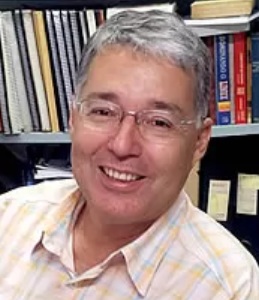
Short Bio: Geraldo Cernicchiaro holds a Ph.D. in Physics from the Université de Grenoble (France), based on his research at the Centre de Recherche sur les Très Basses Températures (CRTBT-CNRS). He earned his M.Sc. in Electronic Engineering from the University of Nottingham (UK) and a B.Sc. in Electrical Engineering from Universidade Federal Fluminense (UFF, Brazil). He leads both the Instrumentation and Measurement Laboratory and the SQUID/PPMS Magnetometry Laboratory at CBPF. With extensive expertise in Scientific Instrumentation and Applied Physics, his work focuses on measurement systems, automation, sensors, magnetometry, and experimental physics. Dr. Cernicchiaro holds the only technology transfer contract within the Ministry of Science, Technology and Innovation (MCTI) related to SoloFlux, an innovative soil permeability meter.
Connecting Porous Media Theory, Experimental Measurements, and Technology Transfer
Abstract: Field-saturated hydraulic conductivity (Kfs) is a fundamental parameter conditioning water flow in porous media, directly influencing the understanding and modeling of hydrological processes, such as groundwater recharge, irrigation efficiency, contaminant transport, soil conservation, and agricultural water management. Despite its fundamental role in theoretical and applied studies, the acquisition of reliable in situ hydraulic conductivity data remains challenging due to the complexity, cost, and labor-intensive nature of conventional measurement techniques. Consequently, the scarcity of high-quality field data often constrains the validation and refinement of hydrological and porous-media flow models. This work presents the results of an interdisciplinary collaboration involving the Brazilian Center for Research in Physics (CBPF), Embrapa Solos, and Falker Automação Agrícola Ltda., which led to the development, patenting, industrial production, and international commercialization of an automated digital permeameter for in situ hydraulic conductivity measurements. The initiative originated from scientific research conducted jointly by CBPF and Embrapa Solos, which combined expertise in instrumentation, measurement systems, soil physics, and hydrology. The resulting prototype evolved into a technology transfer project that integrated advanced sensing, automated control, hydraulic design, data acquisition, and analysis methodologies. The project culminated in the signing of CBPF's first technology transfer agreement, enabling industrial-scale production of the SoloFlux system. The instrument represents a significant improvement in the characterization of porous media by automating measurement procedures, reducing operator dependency, improving repeatability, and increasing the availability of reliable field data. Beyond determining steady-state field-saturated hydraulic conductivity, the system enables the acquisition of transient flow data, providing additional insights into soil-water interactions and flow dynamics. The broader scientific relevance of this development lies in its contribution to the widespread availability of reliable in situ hydraulic conductivity measurements. By reducing operational barriers and expanding access to accurate in situ data, the technology supports the generation of larger and more representative datasets for diverse soil types and environmental conditions. Such datasets are essential for improving theoretical descriptions of flow in porous media, calibrating numerical models, and reducing uncertainties in environmental and agricultural applications. This case study presents a successful model for collaboration between a physics research institution, an agricultural research organization, and an industrial partner, demonstrating how such partnerships can transform scientific knowledge into practical technological solutions. This approach creates societal impact while also strengthening the experimental foundations required for advances in porous media science.
Dr. Juliana Façanha - Shell
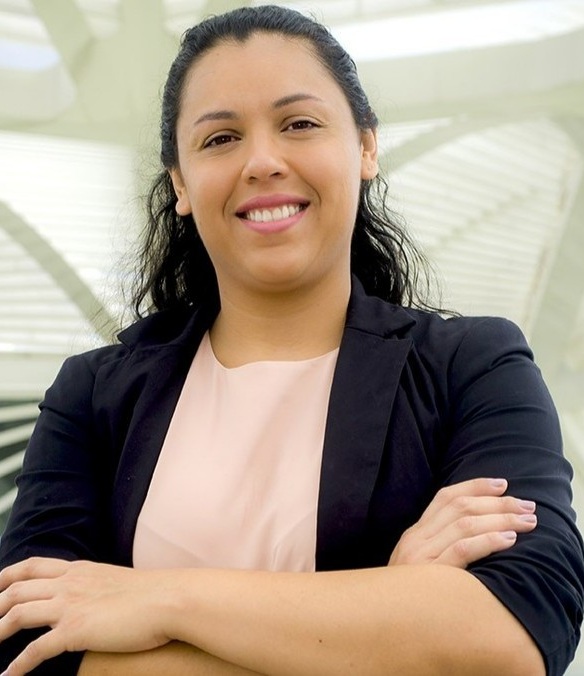
Short Bio: Juliana is the Production Chemistry Programme Lead in the Technology division at Shell Brazil. She works on innovation projects focused on solving integrated problems involving Production Chemistry, Recovery Factor Improvement, and Flow Assurance. Throughout her career, she has accumulated experience in developing and executing experimental studies, including the evaluation of foam formation in porous media and low-salinity water injection, contributing to uncertainty reduction and risk mitigation in the application of these technologies. Currently, she leads the integration with research partners, focusing on applying results to operational challenges and advancing technologies aimed at increasing the recovery factor in fields undergoing water and gas injection.
Turning problems into integrated solutions
Abstract: Differentiated technology is central to unlocking value in the energy industry. The most impactful projects begin with a problem worth solving, that is, a problem that exposes critical business pain points at a given moment, or surfaces risks and issues not yet identified. This talk presents an integrated framework in which R&D questions are grounded in a layered understanding of those problems, with the goal of delivering integrated solutions for key clients and stakeholders while generating measurable impact.
Dr. Bernardo Fraga – CBPF
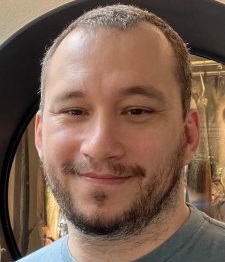
Short Bio: Dr. Bernardo Fraga is a researcher at the Brazilian Center for Research in Physics (CBPF), and a member of the AI4PHYSICS lab. Originally trained as an astrophysicist, he works on applying artificial intelligence to data-intensive physical systems. His current research focuses on AI for oil and gas, including seismic interpretation and machine-learning-based estimation of petrophysical properties, with an emphasis on physics-informed and generative methods that connect fundamental science with real-world industrial challenges.
AI Across Scales: Data-Driven Inference in Geophysics
Abstract: In this talk, I will present an overview of recent and past work on machine learning methods for geophysical problems, with an emphasis on data-driven inference across multiple scales and data modalities. I will explore how AI techniques can be used to extract physical information from seismic and petrophysical data, addressing challenges ranging from inversion and velocity model building to reservoir characterization.
Dr. Alex Hansen - Norwegian University of Science and Technology
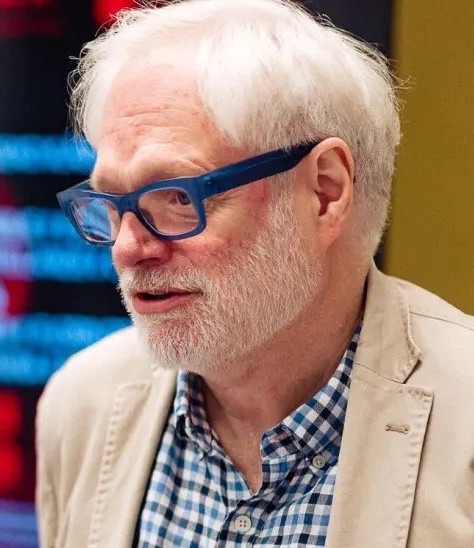
Short Bio: Alex Hansen is a Professor of Physics at the Norwegian University of Science and Technology. Since 2017 he has been the Director of the Centre of Excellence Porous Media Laboratory (PoreLab). He did his undergraduate studies at the University of Oslo, followed by a PhD in theoretical physics from Cornell University (1986) and a Habilitation degree in the same field from the University of Rennes, France (1992), where he also holds an honorary doctorate. His work has mainly been focused on transport and breakdown processes in complex media, focusing on the scale-up problem from pore scale to Darcy scale over the last ten years.
The co-moving velocity: A fundamental velocity variable in immiscible two-phase flow in porous media
Ordinary equilibrium thermodynamics is based on maximizing molecular entropy. One may build a thermodynamics of steady-state immiscible two-phase flow in porous media on maximizing configurational entropy on the pore scale. This is possible since configurational entropy is not produced under steady-state flow even though molecular entropy is produced. A fundamental variable that shows up in this statistical physics of flow in porous media is the co-moving velocity, where it relates the velocities that appear in the thermodynamic formalism to the measured velocities. It turns out to have interesting properties. It turns out that the co-moving velocity can be related to a new class of thermodynamic functions in ordinary molecular thermodynamics. An example of such a function in the thermodynamics of binary fluid mixtures relates the partial molar volumes to the Voronoi volumes of such mixtures – the co-molar volume. It turns out that the co-molar volume plays an important role in non-equilibrium thermodynamics, e.g. in connection with volume transport in binary mixtures. This gives us a handle on how to deal with flow in porous media beyond the steady state.
Dr. Luiz Hegele Jr. – UDESC
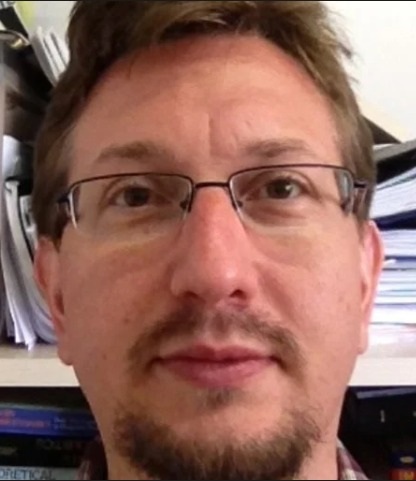
Short Bio: Professor at the Santa Catarina State University (UDESC), Brazil, working in the Department of Petroleum Engineering and the Graduate Program in Mechanical and Materials Engineering. He holds a Ph.D. in Mechanical Engineering from the Federal University of Santa Catarina (UFSC). He is an expert in Computational Fluid Dynamics (CFD) and Heat Transfer, with a strong focus on the modeling and simulation of complex and multiphase flows in porous media. His research is highlighted by the application of the Lattice Boltzmann Method (LBM) and high-performance computing to reservoir engineering, enhanced oil recovery, and geothermal energy.
An Experimental and Multiscale Modeling Framework for Subsea Oil Dispersion
Abstract: The fate of oil released during a subsea blowout is strongly controlled by the initial breakup of the oil jet, the resulting droplet size distribution, and the subsequent transport and weathering processes. We address these coupled phenomena through an integrated experimental and numerical framework designed to improve the understanding and prediction of subsea oil dispersion and to evaluate alternative response strategies, with particular emphasis on subsea dispersant injection (SSDI) and subsea mechanical dispersion (SSMD). The experimental program comprises subsea jet experiments performed at different scales. SSDI and SSMD experiments investigate the effects of oil properties, oil and gas flow rates, gas-to-oil ratio, dispersant type and dosage, water-jet momentum, and jet configuration on droplet breakup and size distributions. The numerical component spans the different scales governing the problem. At the near-field scale, lattice Boltzmann models are employed to investigate single-phase and multiphase jets, including jet hydrodynamics, interfacial deformation, breakup mechanisms, and the interaction between oil and water jets relevant to mechanical dispersion. These simulations provide detailed access to local velocity, pressure, vorticity, momentum transfer, and interface dynamics, complementing experimental measurements and supporting the interpretation of the underlying breakup mechanisms. Experimental and numerical results are analyzed using dimensionless parameters, including the Reynolds and Weber numbers, together with momentum-flux-based scaling relations. These quantities are used to establish correlations for droplet-size reduction and to support the upscaling of laboratory observations to field-scale release conditions. Particular attention is given to the relationship between jet hydrodynamics, turbulence, and the characteristic droplet size generated by untreated, chemically dispersed, and mechanically dispersed releases. At the environmental scale, experimentally determined droplet-size distributions and their upscaled counterparts are incorporated into oil-spill fate and transport simulations. The simulations quantify differences in transport, surfacing, dispersion, weathering, and the environmental distribution of the released oil under varying operational and meteoceanographic conditions. The framework provides a physically based methodology for assessing the effectiveness of subsea oil-spill response strategies across different oil properties, release conditions, and operational scenarios.
Dr. Hans Herrmann – UFC
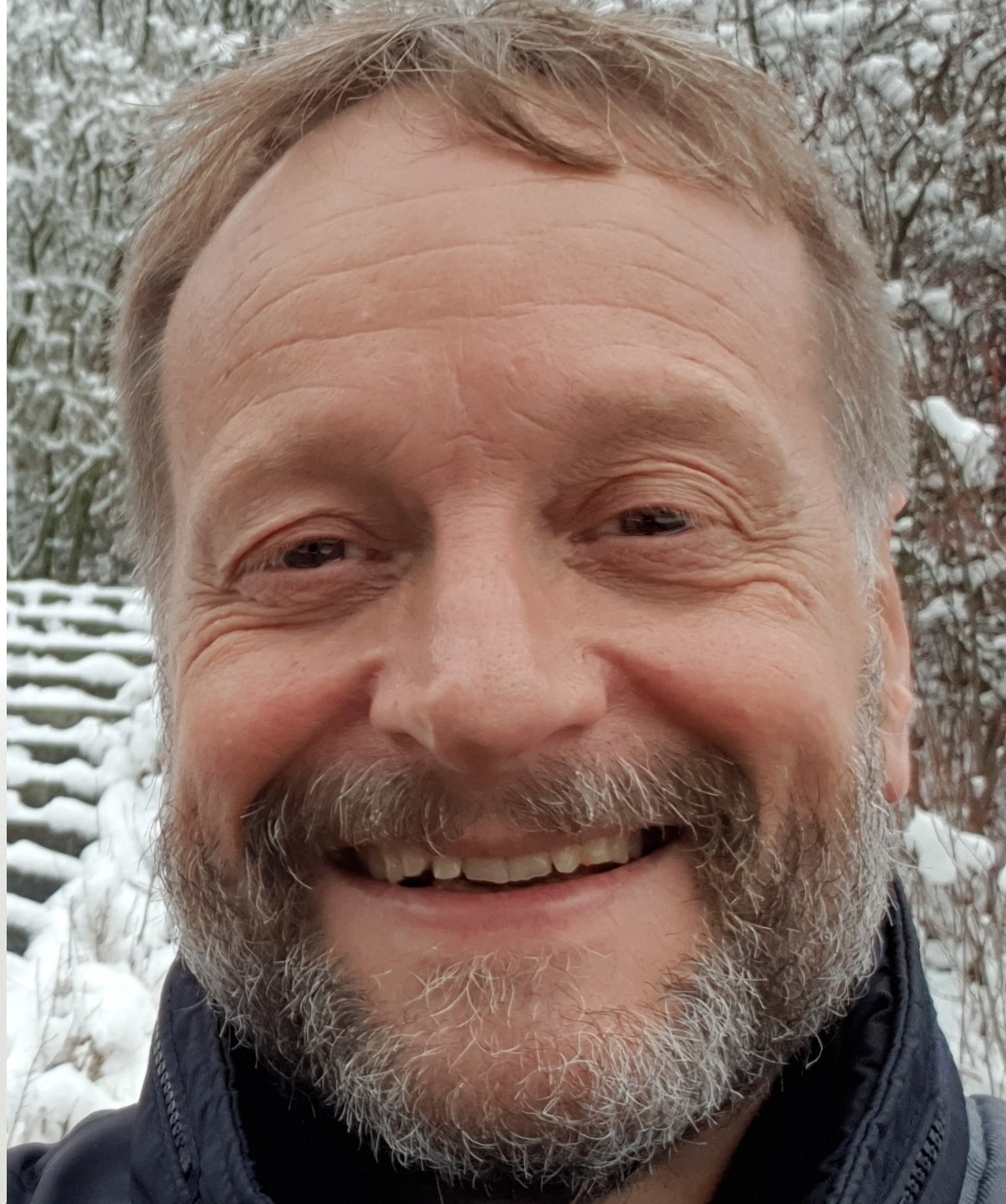
Short Bio: Born 1954 in Cuba, and raised in Bogotá, Hans Herrmann studied physics in Göttingen and Cologne where he made 1978 his diploma and 1981 his PhD in statistical physics and then after one year post-doc in the US went to Service de Physique Théorique in Saclay becoming member of CNRS to which he still belongs today. He was 1990 - 1994 group leader at HLRZ of KFA Jülich, 1994 - 2000, director of the PMMH at ESPCI, Paris; 1996 - 2006, professor and head of the Institute of Computer Physics at the University of Stuttgart and was from 2006 till 2019 full professor at the Institute of Building Materials at ETH Zürich from which he is presently emeritus. Presently he is back at PMMH in Paris and professor at the Physics department of UFC Fortaleza in Brazil. Author of over 800 publications, Guggenheim Fellow (1986), member of the Brazilian (1987) and Colombian (2014) Academies of Science (1987), Max-Planck Research Prize (2002) and Gentner-Kastler Prize (2004), ERC Advanced (2012), Aneesur Rahman Prize (2018), managing editor of Int.J.Mod.Phys.C and Granular Matter and member of several editorial boards and commissions including president of the French Equipment Commission in 2010. Of his former PhD students and post-docs 38 are presently professors. He made lasting contributions to understand fracture of heterogeneous materials and properties of granular media and built a special purpose computer to calculate the conductivity of percolation clusters. Highlights were the discovery of space-filling bearings and the establishment of equations of motion of dunes. His present research subjects include watersheds, neural avalanches, charged granular media, epidemics and complex networks.
Particle-laden flows through porous media
Abstract: Particle-laden flows experience deposition and erosion when passing through a porous medium, a common situation in many fields, ranging from environmental sciences to industrial filters and petroleum recovery. We experimentally study dense suspensions during deep bed filtration and find that the time evolution of pressure losses through the filter is characterized by jumps separated by time delays. These jumps are related to erosive events inside the porous medium and are preceded and followed by deposition. A statistical analysis shows that the events are independent whose size distribution scales with a power law. The detection of such jumps provides new insight into the dynamics of particle-laden flows through porous media, specifically as they can be considered analogous to sand avalanches occurring in petroleum wells. The above phenomenon can be reproduced in an electrical network of fuse-anti-fuse devices, which become insulators within a certain finite interval of local applied voltages. As a consequence, the macroscopic current exhibits temporal fluctuations which increase with system size. We determine the conditions under which this itinerant conduction appears by establishing a phase diagram as a function of the applied field and the size of the insulating window.
Dr. Kundan Kumar - University of Bergen
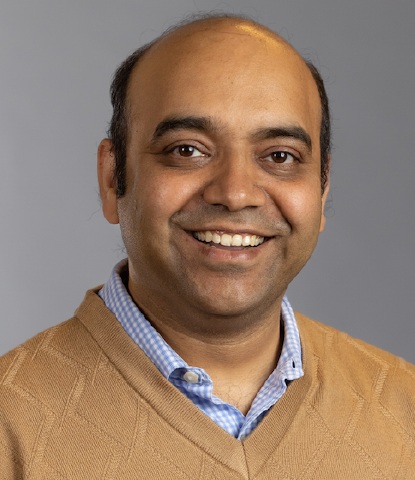
Short Bio: Kundan Kumar is currently a Professor in the Department of Mathematics at the University of Bergen, Norway. His research interests are in the upscaling and numerical methods for coupled problems with applications in porous media. He did his PhD at Eindhoven (2012) followed by Postdoc at the Oden Institute, University of Texas at Austin (2012-14). He has been awarded the SIAM Early Career Prize for Geosciences 2017 and Lauritz Meltzer Prize 2017 for Young Researcher at the University of Bergen. More recently, he has been awarded the Humboldt fellowship for experienced researchers as well as a Mercator Fellow at the Stuttgart University.
Coupled flow and geomechanics in a fractured porous medium
Abstract: We consider a coupled flow and geomechanics problems in a fractured porous medium. The fractures are treated as 2D surface embedded in a 3D bulk porous medium. We assume mixed dimensional model for the flow - meaning, Darcy flow for both the bulk and on the fracture surfaces coupled through appropriate interface conditions. The mechanical deformation is modeled via linear elasticity equation with jump of the displacement at the fracture tracking changes in the width of the fracture. We show the well-posedness of the continuous model including contact mechanics conditions with friction for the coupled problem. Moreover, we present numerical analysis of the discretized system. Finally, we develop and discuss the multirate schemes that take separate time steps for the disparate physics - for the flow and the mechanics - and can be used to provide efficient and provably convergent schemes that exploit the different characteristic time scales for the different physics. This is a joint work with Florin Radu, Vivette Girault, Mary Wheeler, Jan Nordbotten, Tameem Almani, and many more colleagues.
Dr. Linda Luquot – CNRS
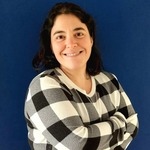
Short Bio: Linda Luquot (Senior CNRS researcher at Geosciences Montpellier) is a doctor in Geosciences after training in physics and chemistry. She has developed her research on reactive transport processes in porous and fractured media applied to geoscience topics such as CO2 geological storage, seawater intrusion, geothermic, managed aquifer recharge and karstic networks formation. She won the Michel Gouillou-Schlumberger Academic Scientific Prize in 2022 for her work on CO2 geological storage. She has published over 70 peer-reviewed articles and supervised 15 PhD students.
Reactive transport processes in porous rock sample: role of local heterogeneities.
Abstract: The percolation of acidic fluids through geological formations triggers coupled dissolution and precipitation reactions that dynamically reshape rock architecture. While these processes are central to CO2 sequestration, karstification, and geothermal evolution, their progression is fundamentally non-uniform. This study employs laboratory reactive-flow experiments to elucidate how local heterogeneities—specifically fluid velocity gradients, mineralogical composition, and petrophysical properties—govern the spatial localization and rates of chemical alteration.Our results demonstrate a strong hydrodynamic control on reaction regimes: high-velocity zones facilitate pronounced dissolution through enhanced reactant transport, whereas stagnant regions promote precipitation as fluids reach local saturation. These mineralogical shifts are further modulated by pre-existing porosity and permeability gradients, which dictate the evolution of fluid flow patterns. By quantifying these micro-scale feedbacks, this research highlights the necessity of integrating local heterogeneities into macroscopic models to accurately predict the structural and hydrodynamic evolution of natural and engineered subsurface systems.
Dr. Marcos Vitor Barbosa Machado – Petrobrás
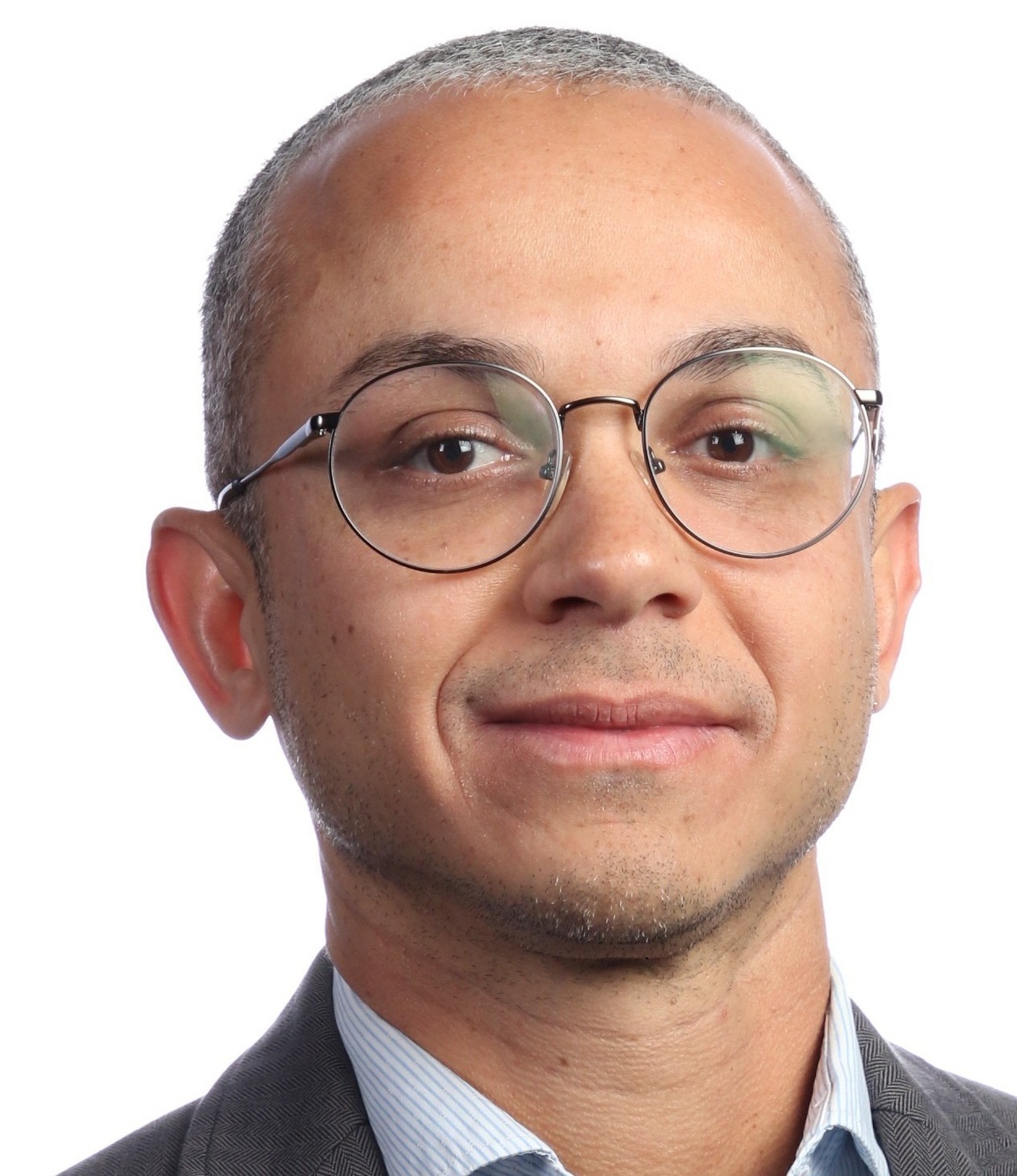
Short Bio: Marcos Machado is a Senior Petroleum Engineer at PETROBRAS with extensive experience in reservoir engineering and field management. Since joining PETROBRAS in 2007, he advanced to the role of Senior Technical Advisor in 2020, specializing in project development, human resources training, numerical modeling, and CCUS initiatives. Dr. Machado holds a PhD in Reservoir Engineering and completed a 2-year PostDoc Program at The University of Texas at Austin in 2024. He also teaches part-time at PUC-Rio University and has authored over 80 technical manuscripts, including research papers, conference papers, and a book on Reservoir Simulation edited by PETROBRAS. His focus is on optimizing reservoir performance and mitigating risks in gas storage projects.
Advancing subsurface expertise to drive the energy transition
Abstract: This presentation explores the adaptation of traditional subsurface characterization and fluid flow modeling to advance key energy transition technologies: Carbon Capture, Utilization, and Storage (CCUS), Underground Hydrogen Storage (UHS), and Engineered Geothermal Systems (EGS). While these technologies leverage established geoscience methods, they present unique operational challenges. For CCUS, the methodology focuses on maximizing permanent CO₂ retention and managing geological uncertainties, drawing on case studies from Brazilian basins. Conversely, UHS requires minimizing gas retention during cyclic injection to ensure high recovery efficiency while managing impurities. Finally, EGS modeling emphasizes thermal rock-fluid properties and dynamic well-reservoir connectivity to optimize heat extraction. Ultimately, this work highlights how mechanisms previously marginal in hydrocarbon extraction are now critical, showcasing the innovative application of legacy subsurface expertise to build sustainable energy solutions.
Dr. Veronica Iris Marconi – Universidad Nacional de Córdoba
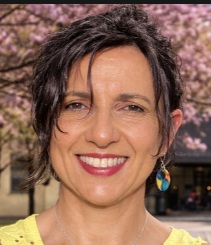
Short Bio: Associate Professor at FaMAF-UNC and Independent Researcher at CONICET, Argentina. Her current research focuses on microfluidics devices applied to life sciences, specializing in transport properties within porous media and Soil-on-a-Chip (SOC) systems for sustainable agronomy, alongside innovative developments in reproductive medicine (LabOnChip, PointOfCare) and biotechnology. A theoretical physicist with a multidisciplinary approach, she has extensive expertise in Computational Physics, a subject she has taught since 2012. Her background spans the study of active matter (microswimmers), gels, and complex fluids, building on a distinguished international career. Before her current focus, she conducted research in Europe (2002–2007) on applied nanodesigned magnetic films (memory microdevices) at UCMadrid, superconductivity at the University of Neuchâtel (Switzerland) and crack propagation at ICTP-Trieste (Italy). Her PhD from Instituto Balseiro (2002) on vortex dynamics was honored with the Giambiagi Prize. More info: ORCID: 0000-0002-3453-2070
From pore-scale bacterial motility to macroscale transport in porous soils
Abstract: The transport of motile bacteria in soils depends on the complex interplay between pore geometry, hydrodynamic stresses, and microbial motility. We combine microfluidic soil-on-a-chip (SOC) platforms, quantitative microscopy, and modeling to investigate the transport of the nitrogen-fixing bacterium Bradyrhizobium diazoefficiens, a soybean symbiont widely used as a biofertilizer, under realistic pore-scale conditions. SOC experiments reveal how microconfinement and flow-induced shear modify bacterial swimming, reducing motility and altering migration patterns through pore networks. Complementary shear-flow experiments provide mechanistic insight into the reversible changes in motility underlying these transport dynamics. Experimental measurements are integrated into in silico models to quantify bacterial diffusion and transport under confinement, enabling predictions beyond the microscale. This combined experimental-modeling framework bridges pore-scale observations with effective transport properties at larger scales, providing a foundation for upscaling bacterial migration in natural porous media. Our approach demonstrates the potential of SOC systems as an innovative and versatile platform to investigate microbial transport and supports the development of predictive models for bacterial dispersal, rhizosphere colonization, soil health and biofertilizer performance in real soils.
Dr. Anderson Camargo Moreira – UFSC
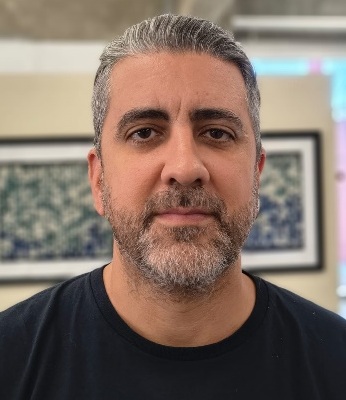
Short Bio: Anderson is currently a postdoctoral researcher at Laboratory of Porous Media and Thermophysical Properties (LMPT) from the Federal Universidty of Santa Catarina (UFSC). His work centers on image-based structural characterization of porous media and X-Ray Microtomography. Its background is in Physics with a Ph.D. in Science and Materials Engineering.
Tomography of Diverse Porous Media: From Nano to Micro and 3D to 4D Case Studies
Abstract: Research on porous media is often led by the type of material being analyzed. For instance, oil and gas studies aim to understand the structure of reservoir rocks, as well as the dynamics of the fluids within them. Reservoir rocks are just one example of porous media within a wide range of materials that include cement, bone tissue, biomaterials, ceramics, metals and membranes among others. This talk intends to present real case studies involving different types of porous media, in which tomography was employed as imaging technique. These studies have been carried out at the LMPT/UFSC laboratory over nearly 15 years of research.
Dr. Etelvino Henrique Novotny – Embrapa Solos
Short Bio: He graduated in Agronomy from the Federal University of Paraná (1993), MSc in Agronomy from the Federal University of Paraná (1997) and PhD in Chemistry from the University of São Paulo - USP (2002). He developed post-doctoral research at the Institute of Physics - São Carlos - University of São Paulo (USP), University of Limerick-Ireland (Chemical and Environmental Science) and Victoria University of Wellington-New Zealand (School of Chemical and Physical Sciences). He is Senior Researcher at Brazilian Agricultural Research Corporation (Embrapa Soils). He has experience in Soil Chemistry, Chemometrics, Physical Chemistry, focusing on Spectroscopy, acting on the following subjects: soil pore size distribution, soil water retention, soil organic matter, humic substances, humic acids, pyrogenic carbon (black carbon), biochar and spectroscopies techniques such as: Nuclear Magnetic Resonance spectroscopy and relaxometry, Electron Paramagnetic Resonance, Fluorescence and Infrared.
Soil Pore Size Distribution and Water Retention Curves by Low-Field NMR and Other Applications of Low-Field NMR in Soil Science
Abstract: Freshwater scarcity makes understanding soil hydraulic properties, specifically the Soil Water Retention Curve and pore size distribution, essential for managing water in agriculture. Because conventional measurement methods are slow, costly, and prone to error, this work introduces a refined low-field 1H Nuclear Magnetic Resonance relaxometry method. By directly accessing diffusion modes governed solely by pore size, this approach eliminates the confounding effects of unknown surface relaxivity. Evaluated on 21 challenging soil samples, the method accurately and simultaneously determines pore size distribution, the Soil Water Retention Curve, and hydraulic conductivity in under 90 minutes. Finally, the presentation will explore broader applications of low-field NMR, including organic product verification, wine terroir characterization, methanol detection in beverages, and analyzing fertilizer dissolution in soils.
Dr. Carla Cristina Pólo – CNPEM
Short Bio: Researcher at the Brazilian Synchrotron Light Laboratory (LNLS), part of the National Center for Research in Energy and Materials (CNPEM), Campinas-SP and develops research focused on scattering and X-ray diffraction imaging techniques applied to biological systems. Currently, working on the TIMBO project, the coherent X-ray imaging beamline attached to Orion, the BSL-3/4 at CNPEM. Previously, scientist at CATERETÊ group applying coherent X-ray imaging techniques to develop scientific projects related to the comprehension of the nano architecture of the plant cell wall with biotechnological applications. Collaborator researcher in the Postgraduate Program in Plant Biology (PPG-BV) at the State University of Campinas (UNICAMP). Completed the postdoc at the ID10 beamline at the European Synchrotron Radiation Facility (ESRF) Grenoble, France. Acquired the master's and doctorate degrees, both in Functional and Molecular Biology (BFM), with emphasis on biochemistry and crystallography, at the Biology Institute of the State University of Campinas (UNICAMP) and developed the thesis project at the National Biosciences Laboratory (LNBio-CNPEM). Completed her sandwich doctorate at VTT, Espoo. Holds a degree in Biological Sciences - Bachelor's and Degree from the Pontifical Catholic University of Campinas (PUC-Campinas, Brazil).
Biological systems as porous media: multiscale characterization by coherent X-ray imaging
Abstract: From a biotechnological perspective biological systems can be understood as forms of porous media, since they consist of solid structural frameworks permeated by interconnected fluid-filled spaces. At multiple scales, from the cytoskeleton within cells or cellular connections to whole tissues animal and vegetal tissues, biological materials exhibit hierarchical porosity that governs both mechanical behavior and transport processes. This dual nature of solid matrix coupled with interstitial fluid, captures how deformation, fluid flow, and mass transport are interdependent in living systems. In this context, the contribution will focus on the application of coherent X-ray imaging techniques at third- and fourth-generation synchrotron sources to investigate the nano-architecture of biological systems. Permeability, pore size, and connectivity quantification, for instance, can be correlated to physiological process and biotechnological applications. Finally, the hierarchical characterization capabilities of Sirius, the ultra-low emittance synchrotron facility in Brazil, are highlighted as a platform for advancing multiscale analysis of complex biological materials.
Dr. Michel Quintard – CNRS
Short Bio: Michel Quintard is Directeur de Recherche Émérite CNRS at the Institut de Mécanique des Fluides de Toulouse, France. A graduate engineer from the École Nationale Supérieure des Arts et Métiers, he received his PhD in fluid mechanics from the University of Bordeaux in 1979. His research focuses on transport phenomena in porous media, with two intertwined objectives: the development of macro-scale models through rigorous averaging techniques, and their application to a broad range of physical and chemical processes — including multiphase and multicomponent flow, phase change, chemical reaction, biodegradation, dissolution, and superfluid transport. These contributions have found applications across petroleum engineering, environmental hydrogeology, chemical engineering, nuclear safety, the aerospace industry, and beyond. Michel Quintard has co-authored approximately 240 papers in archival journals. He was awarded the Bronze Medal of the CNRS in 1984 and the Coron-Thévenet Prize of the Académie des Sciences de Paris in 1994. In 2009, he was appointed Chevalier de la Légion d'Honneur in recognition of his service as President of the Scientific Council of IRSN (the French Nuclear Safety and Radioprotection Institute). He has been deeply involved in the InterPore society since its early days, serving as founder and first Chair of the France InterPore Chapter, and subsequently as President of InterPore.
Upscaling Reactive transport and dissolution in porous media: from the pore-scale to Darcy-scale and large-scale heterogeneities
Abstract: Reactive transport in porous media, and the often associated dissolution mechanism, is of paramount importance in many applications from geological formations to industrial devices like Li-Ion batteries or fuel cells. This is a challenging upscaling problem, particularly in the presence of interactions between phases(e.g. fluid-solid interfaces). In Darcy-scale models, dispersion models are affected by the interfacial exchanges. Active dispersion one-equation models may differ from a simple extension of passive dispersion (i.e., without phase interaction). More complex models may be required for accounting for delayed transport within the solid phase: various model typologies are discussed ranging from multi-equation to hybrid models. The situation is even more complicated when trying to incorporate in a homogenized model the effect of Darcy-scale heterogeneities. Upscaling constraints are discussed on the basis of large-scale Damkhöller and Péclet numbers. A true homogenization route to an upscaled model is only proposed taking into account dissolution history in the case of small Damkhöller numbers. Throughout the presentation, examples are taken from geomechanical engineering to industrial engineering.
Dr. William Godoy de Azevedo Lopes Silva - Equinor
.
Short Bio: William Godoy is a leading researcher and specialist in Reservoir Technologies and Porous Media Characterization. He currently serves as a Senior Researcher at the Equinor Research and Technology Center in Rio de Janeiro, Brazil.With extensive experience in both academic research and the energy industry, his work focuses on digital rock analysis, multiscale pore-network modeling, fluid flow in heterogeneous carbonate reservoirs, and advanced X-ray microtomography ($\mu\text{CT}$) using synchrotron light sources.
LBPM – An Open-source tool for Digital Rock Analysis
Abstract: ...
Dr. Juliane Simmchen – University of Strathclyde
Short Bio: Juliane Simmchen is an Associate Professor (Reader) at the University of Strathclyde, whose research bridges fundamental physical chemistry and applied colloidal science. Her work has evolved from curiosity-driven studies of artificial and biological active matter toward application-focused research in soil and food systems, addressing key challenges in sustainability and environmental science. She develops and applies advanced experimental techniques to uncover the physical principles governing colloidal interactions, working closely with theorists to translate fundamental insights into functional systems. Her research aims to improve soil fertility and optimize complex soft-matter environments. Juliane earned her PhD from the Autonomous University of Barcelona and completed postdoctoral research with Samuel Sánchez at the Max Planck Institute for Intelligent Systems in Stuttgart. In 2016, she established her independent research group at TU Dresden as a Freigeist Fellow funded by the Volkswagen Foundation, before moving to the University of Strathclyde in 2023.
Active matter in complex environments - from gradients to pores
Abstract: Microscale active matter ranges from artificial active colloids to bacteria and algae. The ability to move at this scale requires constant energy input and intricate interactions with the surrounding environment. Biological microswimmers must be able to navigate complex scenarios beyond topography. As well as pores, they will encounter fluid flows, external fields, and chemical gradients. Here, we present our endeavours to disentangle these effects in order to understand them individually.
Dr. Mathias B. Steiner
Short Bio: Dr. Mathias Steiner is a physicist with 20 years of industrial research and development experience acquired on three continents. In his work, he combines computational methods and lab experiments for developing and testing novel scientific tools. As an Independent Researcher based in Rio de Janeiro, Brazil, he currently explores the convergence of artificial intelligence and quantum computing for accelerating materials discovery. Mathias has initiated and managed several multi-national R&D collaborations with industrial and academic partners, leading to 200+ papers, patents, and open-science contributions that were cited and reused thousands of times. As research manager and principal investigator, he has coordinated teams of 50+ industrial researchers across labs in Brazil, Switzerland, Japan, UK, and the US.
Simulating Carbon Dioxide Capture and Storage in Digital Rock and Nanopores
Abstract: Mitigating climate change benefits from computational simulations of CO2 capture and storage. In the first part of my presentation, I introduce a computational toolkit for pore-scale simulations in capillary network representations based on microscopic tomography data taken from sandstone and carbonate rocks. Single-phase and two-phase flow simulations within a digital rock’s capillary network can be performed assuming realistic reservoir conditions. One example is the injection of super-critical carbon dioxide into sandstone, for optimizing carbon dioxide saturation as function of reservoir temperature and pressure. For predicting geologic storage of carbon dioxide, the simulator tracks the modifications caused by carbon mineralization within each capillary of the connected pore space. This process gradually reduces the diameter of capillaries over time and causes the porosity and permeability of the rock to degrade. If flow conditions are not optimized, a rock might not achieve its full geologic storage potential. In the second part of my presentation, I will report on applications of quantum computing in the prediction of materials properties. One example is the binding of carbon dioxide in nanopores designed for application in direct air capture. Hybrid, quantum-classical algorithms on pre-fault tolerant quantum processing units deliver useful predictions and are promising for advancing the discovery of novel materials for carbon dioxide capture.
Dr. Wenceslau G. Teixeira – Embrapa Solos
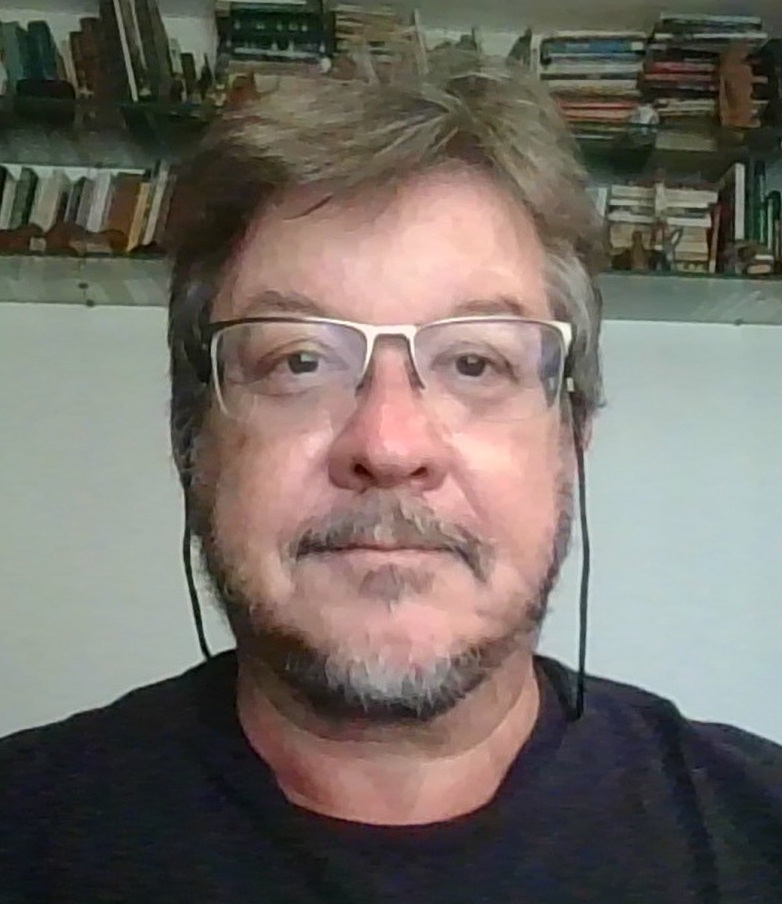
Short Bio: Dr. Wenceslau Geraldes Teixeira is a Senior Researcher and the Head of the Soil Physics Laboratory at Embrapa Solos, as well as a CNPq Research Productivity Fellow. With a Ph.D. in Geoecology from the University of Bayreuth, Germany, his work centers on soil physics, hydrology, and soil conservation in tropical and Amazonian environments.
His research is highly relevant to the study of soil structure and porosity, focusing on the development and application of methodologies to assess critical physical and hydraulic properties, such as infiltration, saturated hydraulic conductivity, and water retention curves. As an innovator in soil measurement techniques, he is the co-inventor of SoloFlux, a patented device designed specifically to evaluate saturated hydraulic conductivity. Currently, Dr. Teixeira coordinates major research initiatives dedicated to expanding the national database on water infiltration, transmission, and retention in Brazilian soils. His pioneering work also extends to Amazonian Dark Earths (Terra Preta de Índio), where he investigates anthropic soil genesis and explores the use of biochar as a soil conditioner to directly enhance the physical and hydraulic quality of the soil. As a leading expert, he has supervised numerous graduate students in soil physics and environmental modeling. He is also a key contributor to foundational literature in the field, serving as an author and editor for essential works such as the Brazilian manual of soil analysis methods and the book "Application of soil physics in environmental analyses.
Bimodal Pore Size Distribution in Tropical Soils
Abstract: Highly weathered tropical soils (Ferralsols, Acrisols, and Nitosols) often exhibit a "pseudo-sand" hydraulic behavior. Despite high clay contents ($> 500 \text{ g kg}^{-1}$), strong micro-aggregation creates a distinct bimodal pore size distribution consisting of large inter-aggregate macropores and minute intra-aggregate micropores.
Conventional unimodal hydraulic models, such as the standard van Genuchten equation, fail to capture this dual-porosity structure. This study demonstrates that assuming unimodality leads to significant errors in partitioning pore domains and overestimating unsaturated hydraulic conductivity $K(h)$ during initial drying phases. Because macropores drain rapidly at low suctions, accurate characterization requires high-resolution retention data near saturation. We propose the Durner model, utilizing overlapping functions, to accurately describe these complex hydraulic functions. Results indicate that accounting for bimodality is essential for the reliable estimation of aeration capacity, crop water availability, and sustainable soil management in tropical environments.
Dr. Constantino Tsallis – CBPF
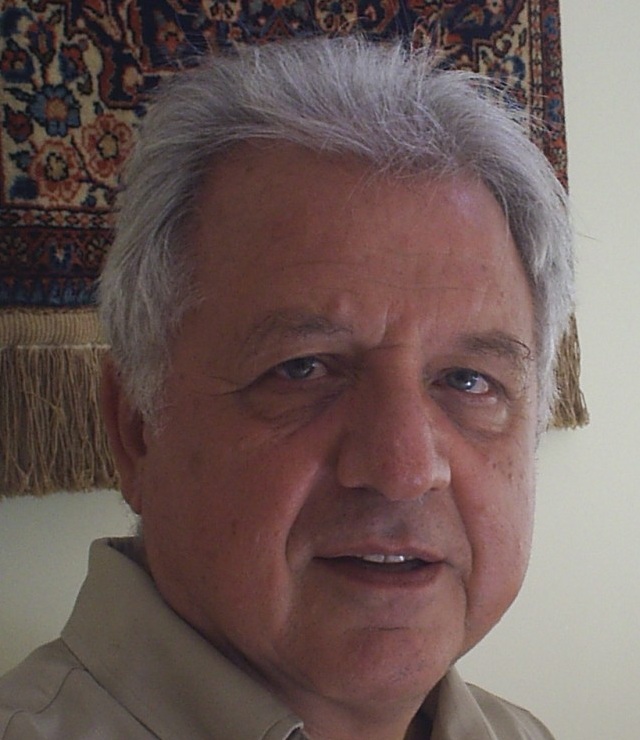
Short Bio: Constantino Tsallis is a theoretical physicist primarily interested in statistical mechanics, its foundations and applications. Born in Athens-Greece, he concluded his basic studies in physics at the Institute Balseiro, National University of Cuyo, in Bariloche, Argentina, and obtained his Doctorat d’État ès Sciences Physiques in 1974 at the University of Paris, where he acted as Associate Professor. He then moved to Brazil, and works at the Brazilian Center of Research of Physics (CBPF) in Rio de Janeiro. He proposed in 1988 a generalization of the Boltzmann-Gibbs theory based on nonadditive entropies characterized by an index q (q=1 recovers the BG theory), which is being worldwide explored (Bibliography). He delivered graduate and undergraduate, classical and quantum courses in France, Brazil, USA, Argentina, Germany, Turkey. Also, he delivered over one thousand invited talks around the world. He is External Professor of the Santa Fe Institute, New Mexico (where he extensively collaborated with the Nobel laureate Murray Gell-Mann), the Complexity Science Hub Vienna-Austria, and the Dottorato in Sistemi Complessi per le Scienze Fisiche, Socio-economiche e della Vita-Università di Catania. During many years, he headed the CBPF Theoretical Physics Department and acted as member of the IUPAP Statistical Physics Committee. He also served editorially in various research journals, including Physica A since 1986. Tsallis is recipient of several prizes, honors and fellowships, including the Guggenheim Award (USA), the Mexico Prize for Science and Technology, membership of the Brazilian Academy of Sciences, the National Academy of Economical, Political and Social Sciences of Brazil, the Latin America Academy of Sciences and the European Academy of Sciences and Arts, honoring award for Latin America and Caribbean of the United Nations Office for Outer Space Affairs, Mercator Professorship (Germany), Doctor Honoris Causa at the National University of Cordoba-Argentina, the State University of Maringá, the Federal University of Rio Grande do Norte in Brazil, and the Aristotelian University of Thessalonica-Greece. He was awarded the Aristion (Excellence) Award for Natural and Exact sciences by the Academy of Athens, originally founded by Plato. His generalized statistical mechanics was selected by the Physics Nobel Committee for the 2027 Nobel Symposium in Physics, titled “Beyond Boltzmann: Complexity, Memory and Non-Additive entropies”, to be held in Lund, Sweden, in May 2027.
Nonadditive-Entropies-Grounded Approaches of Granular and Other Complex Systems
Abstract: The more-than-centennial celebrated Boltzmann-Gibbs statistical mechanics and its associated additive entropic functional yield superb agreement with plethora of experimental data involving short-range space-time correlations. But it typically fails when systems involving long-range correlations are focused on. A current generalization of this theory on the basis of nonadditive entropic functionals overcomes such difficulties. A brief introduction to the theory through its foundations and successful applications to natural, technological and social complex systems will be presented. Bibliography